
By: Alyssa Velasquez
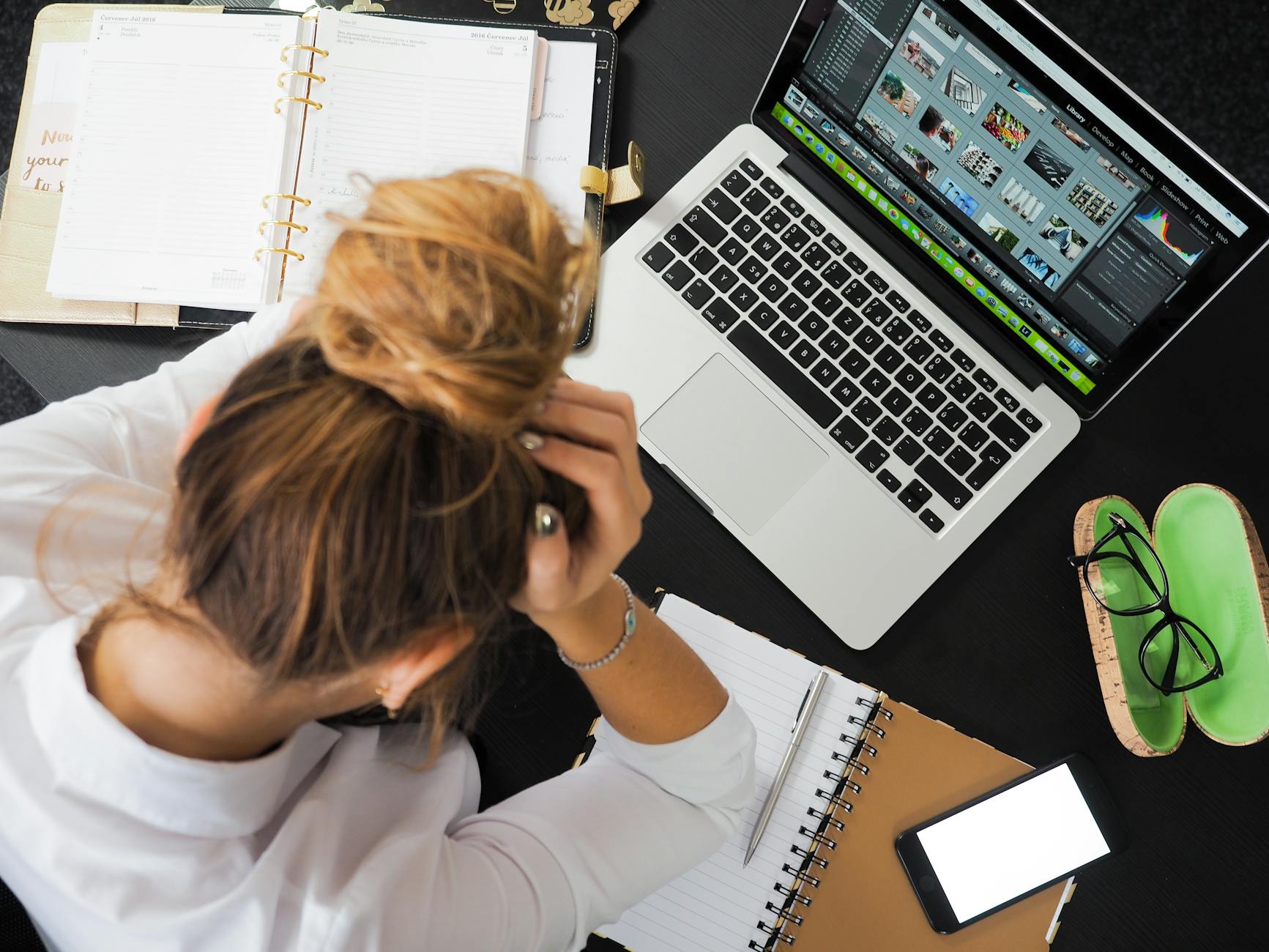
When I was 10 years old, I had my first Panic Attack.
I used to have this huge fear of death. I would lie awake at night and think about how one day I wouldn’t be here anymore and that would send me into a crying session until the next morning.
Since then, I have learned to understand the signs of Panic Attacks and taught myself how to semi-control them when I need to.
What are the signs of Panic Attacks?
According to the Cleveland Clinic, “A panic attack causes sudden, temporary feelings of fear and strong physical reactions in response to ordinary, nonthreatening situations. When you’re having a panic attack, you may sweat a lot, have difficulty breathing and feel like your heart’s racing. It may feel like you’re having a heart attack.”
Sweaty palms, heart racing, and breathing rapidly all lead to not letting oxygen to the brain, which ultimately leads to fainting.
Been there.
Done that.
School was super stressful, too. I was a 3.8-4.0 high school student with a bunch of extracurriculars. I felt the need to be nearly perfect ALL THE TIME.
When I would fail, I would panic about my grade and the prospect of failing.
Panic attacks don’t gradually build over time. They start with a worry, and it escalates quickly.
What I have learned so far during this time is to regulate my breathing.
The reason for this is that if I feel like I can’t breathe, then I panic more because I know this will lead to fainting. It would worry me because, depending on where I was, I would be scared. For example, if I were driving or at school, it could be hazardous and could lead to other fatal injuries.
What are the signs of Anxiety Attacks?
At 19 years old, I had my first anxiety attack.
I was sitting on the bed, overthinking everything, and I remember feeling weird. I felt brain fog, my body is shaking, and then the inner panic sets in, but on the outside, I look fine.
I wasn’t familiar with this feeling because it didn’t feel like a panic attack; it felt worse, like I was dying.
Then, hours later, my hands and feet were numb, and finally, I ran to my parents’ room, where I fell and fainted.
I developed driving anxiety, and this prevented me from going to work and sometimes school. I had a tough two years trying to regulate my body from the anxiety of fight or flight mode.
“Anxiety disorders are conditions in which you have anxiety that doesn’t go away. It can get worse over time and can get in the way of everyday activities,” according to UC Davis Health.

How can you help yourself?
Be familiar with the signs, know the difference between an Anxiety attack and a Panic attack.
Do your research. Seek help. Look at home remedies. Talk to people that you trust.
There are so many things you can do to help yourself.
I’ve learned to help myself regulate my breathing, drink less caffeine, and talking to my family and friends has helped me a lot. This helps calm the fight or flight response we have in our nervous system.
For my college students out there, your university has plenty of resources, most are free or low-cost, but there are so many ways you can help yourself regulate your anxiety. Know that you are not alone in this journey. This is something that you can overcome; these disorders may not be curable, but they can be manageable.



 Lifestyle Opinions
Leave a comment